 Prestige Awards 2025/26 Winner
How to Install a Fire Door Correctly
Correct installation is the single most important factor in whether a fire door will perform as intended during a fire. A perfectly manufactured, fully certified FD30 door that is installed badly can fail within minutes. The responsibility falls on the installer to follow the manufacturer's fitting instructions precisely and to understand the tolerances that must be achieved.
Step-by-Step Installation
Start by checking the door leaf, frame, and all components against the manufacturer's specification. The frame must be suitable for the door rating — an FD30 door requires an FD30-compatible frame, and the same applies to FD60. Fix the frame into the structural opening, ensuring it is plumb, level, and square. The gap between the frame and the structural opening should be filled with intumescent mastic or mineral wool, never expanding foam, which offers no fire resistance and can actually accelerate flame spread.
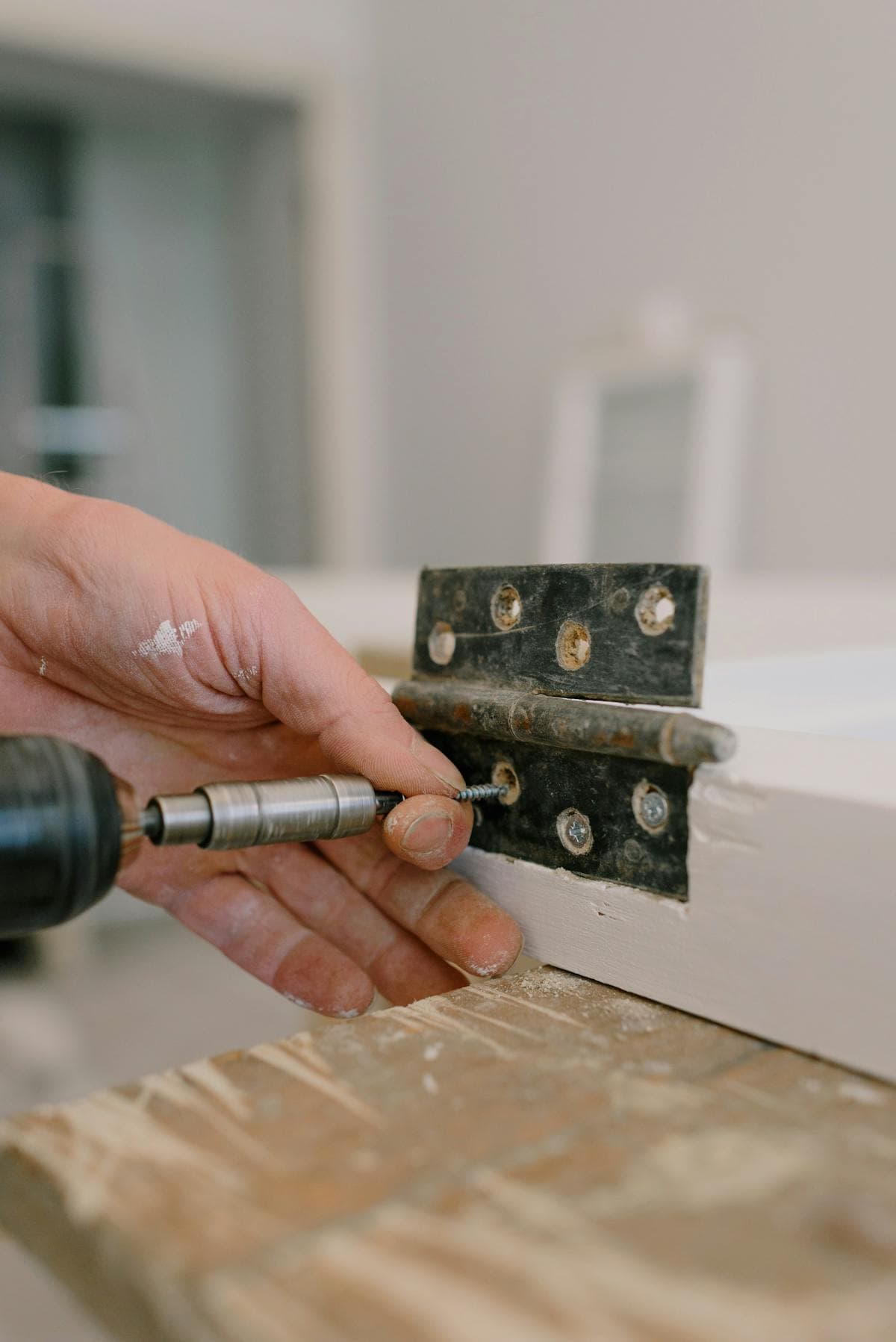
Hang the door on a minimum of three fire-rated hinges (CE marked to BS EN 1935, Grade 13 for FD60 doors). Position the top hinge 150mm from the top of the door, the bottom hinge 200mm from the bottom, and the middle hinge centrally between the two. Check that the door swings freely and sits squarely in the frame. The gaps around the head and jambs should be between 2mm and 4mm — no more, no less. The gap at the threshold should not exceed 8mm for most specifications, though some designs allow 10mm where a drop seal is fitted.
Fitting Seals and Hardware
Intumescent strips should be fitted into the grooves routed into the door edge or frame rebate, depending on the manufacturer's test evidence. If the specification calls for combined intumescent and smoke seals, both must be fitted — do not omit the smoke seal, as it prevents cold smoke passing through the gaps before the intumescent activates. Fit the latch and lock (fire-rated to BS EN 12209), followed by the door closer. The closer must be powerful enough to fully latch the door from any angle of opening, including from just 5 degrees open. BS EN 1154 closers rated to at least power size 3 are typically required.
Common Mistakes to Avoid
The most frequent installation errors include fitting only two hinges instead of three, using non-fire-rated expanding foam around the frame, leaving gaps wider than 4mm, omitting intumescent strips or smoke seals, and fitting a closer that is too weak to latch the door. Another common mistake is trimming the door to fit an out-of-square opening. Fire doors should never be cut down by more than the manufacturer's stated tolerance — typically 3mm per edge — and any site adjustments must be re-sealed with intumescent paint or paste. When in doubt, order a made-to-measure door rather than compromising a standard one.
Looking for Fire Doors?
Browse our certified range of FD30 and FD60 fire doors.