 Prestige Awards 2025/26 Winner
How to Choose the Right Fire Door Material for Your Project
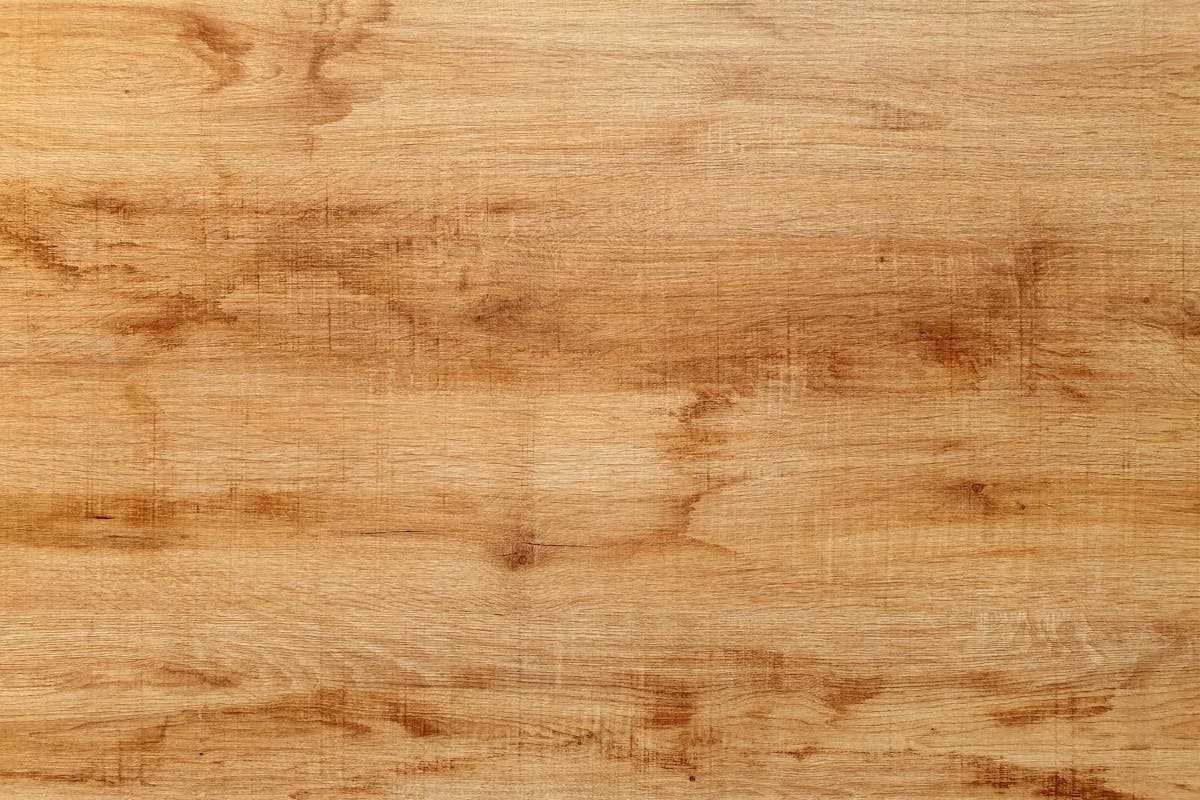
The material of a fire door affects far more than its appearance. Each timber species and engineered option brings different characteristics in terms of density, grain pattern, durability, workability, and cost. Paint grade plywood is the most economical choice and is ideal for projects where the door will be painted to match a colour scheme — common in social housing, hospitals, and schools. The smooth, consistent surface takes paint well and is easy to maintain, though it offers no natural timber aesthetic.
Hardwood veneers such as oak, ash, beech, sapele, and walnut are popular where the door will be left with a natural or stained finish. Oak is by far the most commonly specified veneer in the UK, valued for its warm tone, prominent grain, and association with quality. Ash offers a lighter, more contemporary look and is often used in Scandinavian-inspired interiors. Sapele provides a rich, reddish-brown colour similar to mahogany at a lower cost, while walnut is reserved for premium applications where a dark, luxurious finish is required. Koto, though less well known, is prized by painters for its exceptionally fine, even grain that produces a flawless painted finish.
When selecting a material, consider the environment the door will be installed in. External doors are exposed to moisture, UV, and temperature fluctuations, making durability and stability critical — sapele and paint grade plywood with appropriate exterior finishes perform well here. Internal doors in high-traffic areas benefit from harder species like oak and beech that resist scuffs and dents. For listed buildings or heritage projects, the material may need to match existing joinery. In every case, confirm that the specific veneer or facing material has been included in the manufacturer's fire test evidence, as substituting a different material can invalidate the door's certification.
Looking for Fire Doors?
Browse our certified range of FD30 and FD60 fire doors.