 Prestige Awards 2025/26 Winner
Fire Doors in HMOs: Landlord Responsibilities
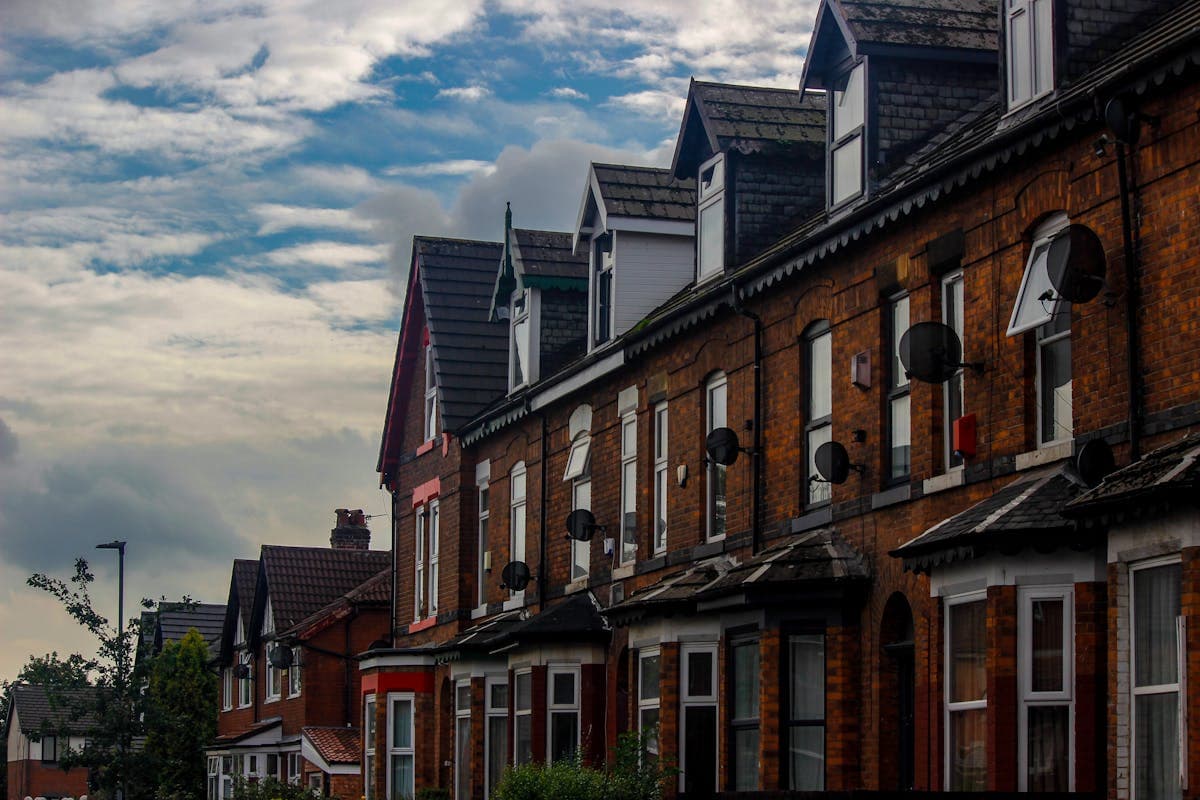
Houses in Multiple Occupation (HMOs) present a heightened fire risk due to the number of separate households sharing common areas, kitchens, and escape routes. The combination of multiple cooking facilities, diverse occupant behaviours, and often older building stock makes fire compartmentation especially critical. For landlords and managing agents, understanding fire door requirements in HMOs is not optional — it is a legal obligation with serious consequences for non-compliance.
Legal Requirements
Under the Housing Act 2004 and the Management of Houses in Multiple Occupation (England) Regulations 2006, landlords of licensable HMOs must ensure that the property has adequate fire precautions, including fire doors where required by the fire risk assessment. The Regulatory Reform (Fire Safety) Order 2005 applies to the common parts of HMOs and places duties on the landlord as the Responsible Person.
For licensed HMOs (typically properties with five or more occupants forming two or more households, or three or more storeys), the licensing conditions almost universally require FD30S fire doors (30-minute fire resistance with smoke seals) on every bedroom and on kitchens that open onto escape routes. Self-closing devices are mandatory. In many licensing schemes, the local authority specifies the exact door standard, including the type of intumescent strips, smoke seals, and closer required.
Which Doors Need a Fire Rating
As a general guide, the following doors in an HMO should be FD30S: all bedroom doors, the kitchen door (especially if the kitchen opens onto the only escape route), any door between a garage and the habitable space, and the door to any room containing a higher fire risk (such as a utility room with a tumble dryer). In larger or multi-storey HMOs, doors to protected stairways and corridors forming part of the means of escape also require FD30S rating. The fire risk assessment for the specific property will confirm the exact requirements.
Existing panel doors in older properties almost never meet FD30 standards, even if they are solid timber. The only reliable way to confirm a door's fire rating is through its certification label or third-party test evidence. Replacing non-compliant doors is one of the most common conditions attached to HMO licences, and failure to complete the work within the specified timeframe can result in licence revocation, unlimited fines, or prosecution.
Practical Considerations
Landlords should be aware that fire doors in HMO bedrooms are opened and closed frequently, and tenants will often object to self-closers on their bedroom doors. While the temptation is to remove the closer to keep tenants happy, this is illegal and dangerous. Modern closers can be adjusted to a lighter closing force that balances fire safety with day-to-day comfort. Some tenants may prop doors open — landlord inspections should check for this and educate tenants about the importance of keeping fire doors closed.
Budget for fire door maintenance as part of the annual property management plan. A fire door that was compliant when the HMO licence was granted can deteriorate within a year if not maintained. Include fire door checks in your periodic property inspections, and keep records that demonstrate ongoing compliance. If your local authority conducts a spot inspection and finds non-compliant fire doors, the consequences — enforcement notices, civil penalties of up to 30,000 pounds, or criminal prosecution — far outweigh the cost of proper maintenance.
Looking for Fire Doors?
Browse our certified range of FD30 and FD60 fire doors.