 Prestige Awards 2025/26 Winner
Fire Door Ironmongery: A Complete Guide
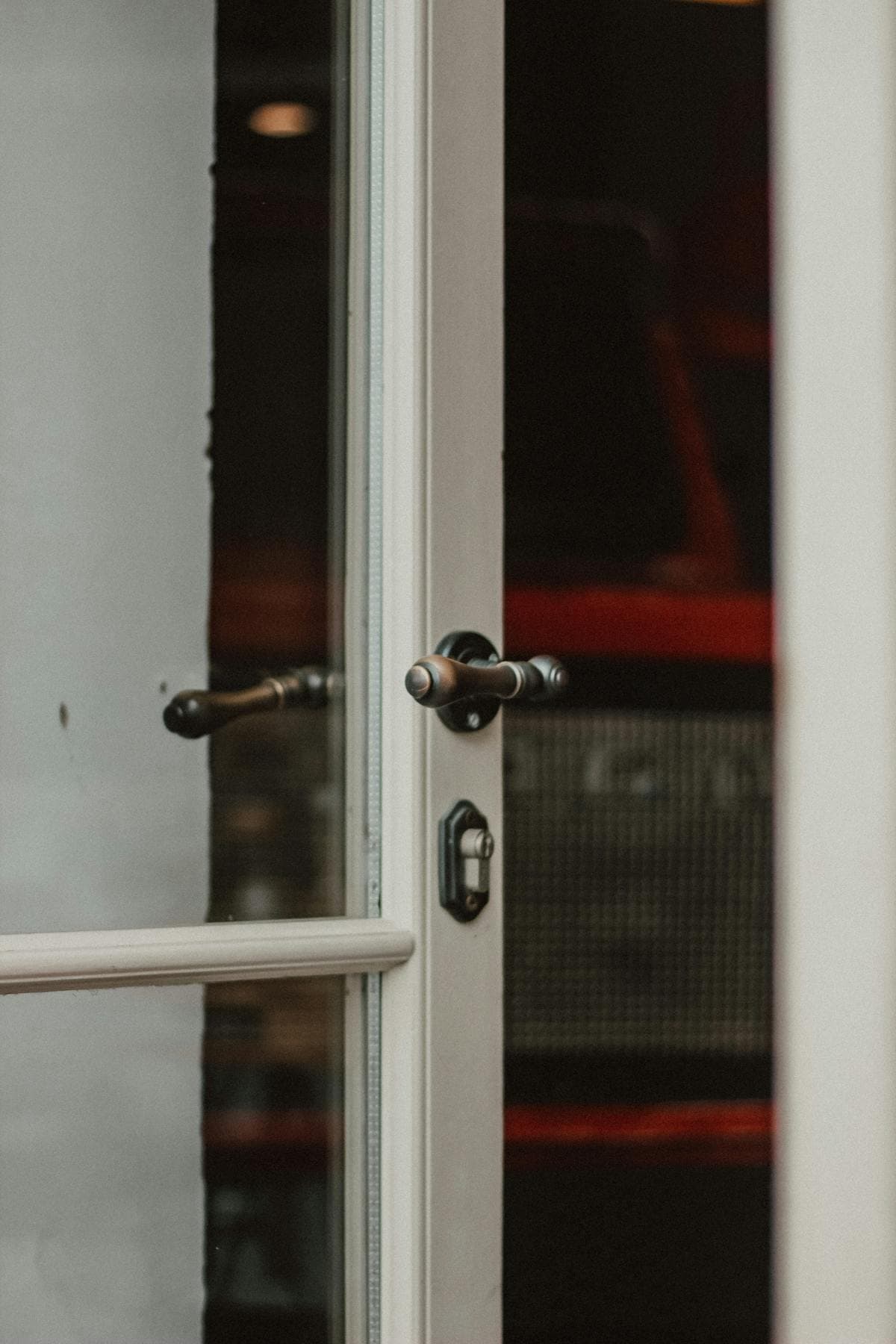
Ironmongery — the collective term for hinges, locks, latches, closers, handles, and other hardware fitted to a door — is one of the most common failure points in fire door compliance. A certified fire door leaf hung on non-fire-rated hinges, or fitted with a closer that cannot latch it, is not a fire door at all. It is a piece of timber hanging in a frame. Every hardware component must be individually fire-rated and, crucially, must be compatible with the specific door assembly it is fitted to.
Hinges
Fire doors require a minimum of three hinges, evenly spaced. For FD30 doors, hinges must be CE marked to BS EN 1935 and rated to at least Grade 11. For FD60 doors, Grade 13 hinges are required — these are heavier, more durable, and designed to support the additional weight of a 54mm door leaf. The standard positions are 150mm from the top, 200mm from the bottom, and one centrally between the two. Using only two hinges is a common shortcut that voids the door's fire certification and causes the door to sag over time, widening the gaps and preventing proper closure.
Door Closers
A self-closing device is mandatory on every fire door. The closer must comply with BS EN 1154 and be powerful enough to close and latch the door from any angle of opening. For most applications, a closer rated to power size 3-4 is sufficient, but heavier doors (FD60, large leaves, or doors in windy locations) may require size 5 or 6. Overhead closers are the most common type, but concealed closers and floor springs are also available for applications where aesthetics are a priority. Whatever the type, the closer must be adjusted so the door latches reliably — a door that closes to within 5mm of the frame but does not latch is not compliant.
Locks, Latches, and Handles
Locks and latches must be fire-rated to BS EN 12209 and carry CE marking. The most common specification for internal fire doors is a tubular latch (for lever handles) or a sashlock (for doors requiring a key lock). The latch bolt must engage fully with the strike plate when the door is in the closed position — this is what holds the door shut against the pressure of a fire. Lever handles should comply with BS EN 1906 and be robust enough for the expected traffic level. In escape routes, the handle must be operable without a key from the escape side, in accordance with BS EN 179 (emergency exit) or BS EN 1125 (panic exit).
Letter Plates, Viewers, and Other Penetrations
Any penetration through a fire door — a letter plate, spy viewer, cable pass-through, or signage fixing — must be fire-rated and must have been included in the door's fire test evidence. An unprotected letter plate slot is a direct path for fire and smoke to pass through the door. Fire-rated letter plates incorporate intumescent linings that expand when heated, sealing the opening. If a penetration was not part of the original test, it requires a separate assessment or a fire door-specific product with its own test evidence. The golden rule: if it was not tested, it should not be there.
Looking for Fire Doors?
Browse our certified range of FD30 and FD60 fire doors.