 Prestige Awards 2025/26 Winner
FD60 External Fire Doors: A Smart Investment for Safety
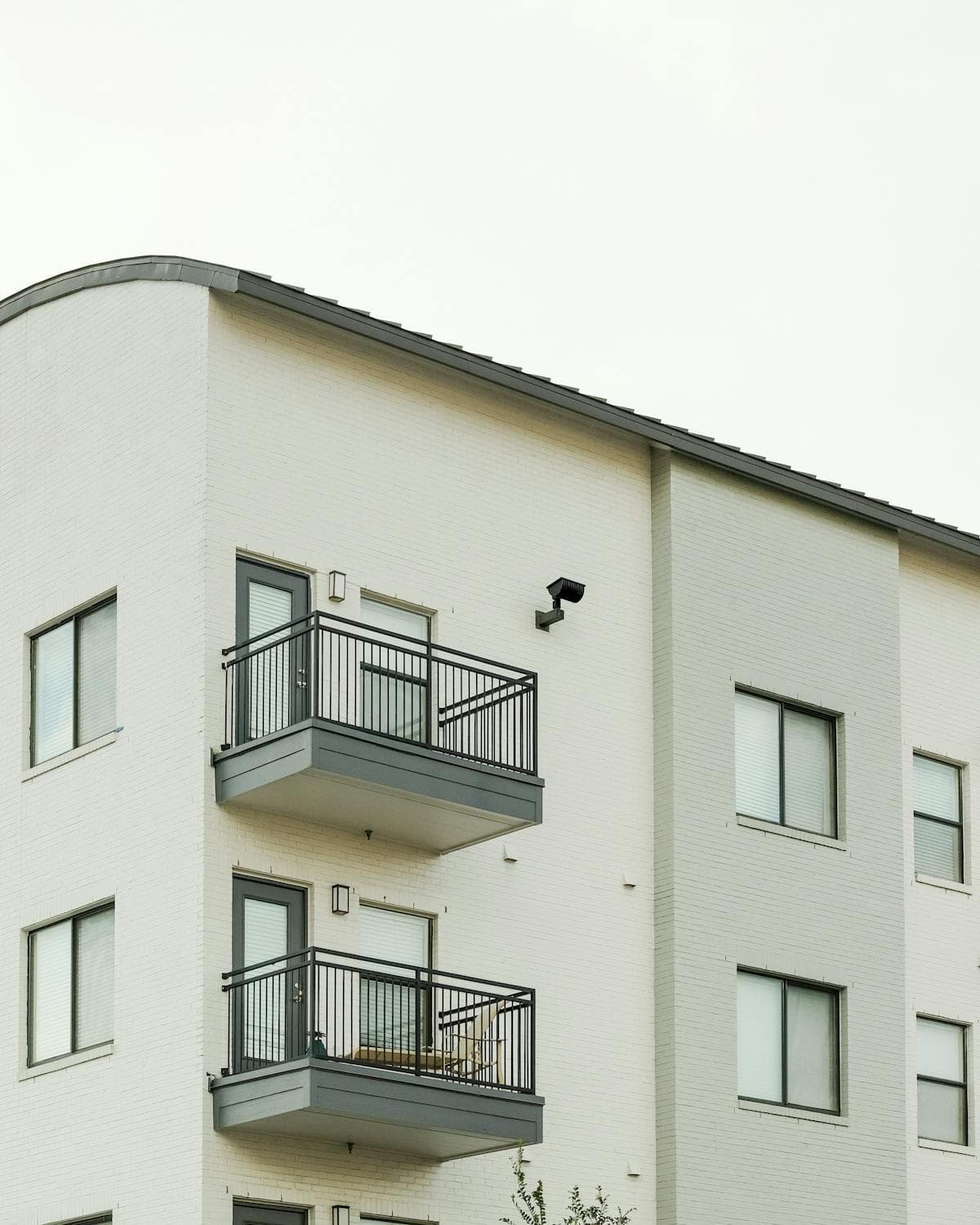
When specifying fire doors for external openings, the choice between FD30 and FD60 often comes down to the building's fire strategy and the level of risk. FD60 doors, which provide a full 60 minutes of fire integrity, are increasingly being specified for external applications where the consequences of fire spread are severe — for example, doors opening onto shared escape routes, doors between adjoining commercial units, or doors in buildings where the fire service response time may be extended.
The construction of an FD60 door differs significantly from an FD30. The core is typically denser and thicker (54mm versus 44mm), intumescent seals are more substantial, and the door leaf is heavier. This means that the frame, hinges, and closer must also be rated to FD60 standard — upgrading just the door leaf without upgrading the supporting hardware will not achieve the required performance. For external doors, additional weather protection such as a canopy or recess is recommended to prolong the life of the intumescent seals and the door finish.
From a cost perspective, FD60 doors typically carry a 30-50% premium over their FD30 equivalents. However, for building owners and insurers, the additional investment is often justified by the reduced risk of fire spread and the potential for lower insurance premiums. In some cases, specifying FD60 throughout a building simplifies the fire strategy and reduces the risk of incorrect doors being installed in the wrong locations — a common compliance issue identified during fire risk assessments.
Looking for Fire Doors?
Browse our certified range of FD30 and FD60 fire doors.